Computer History Museum Awards Dinner Production by Hunter Events
EVENT OVERVIEW:
Computer History Museum awards dinner production
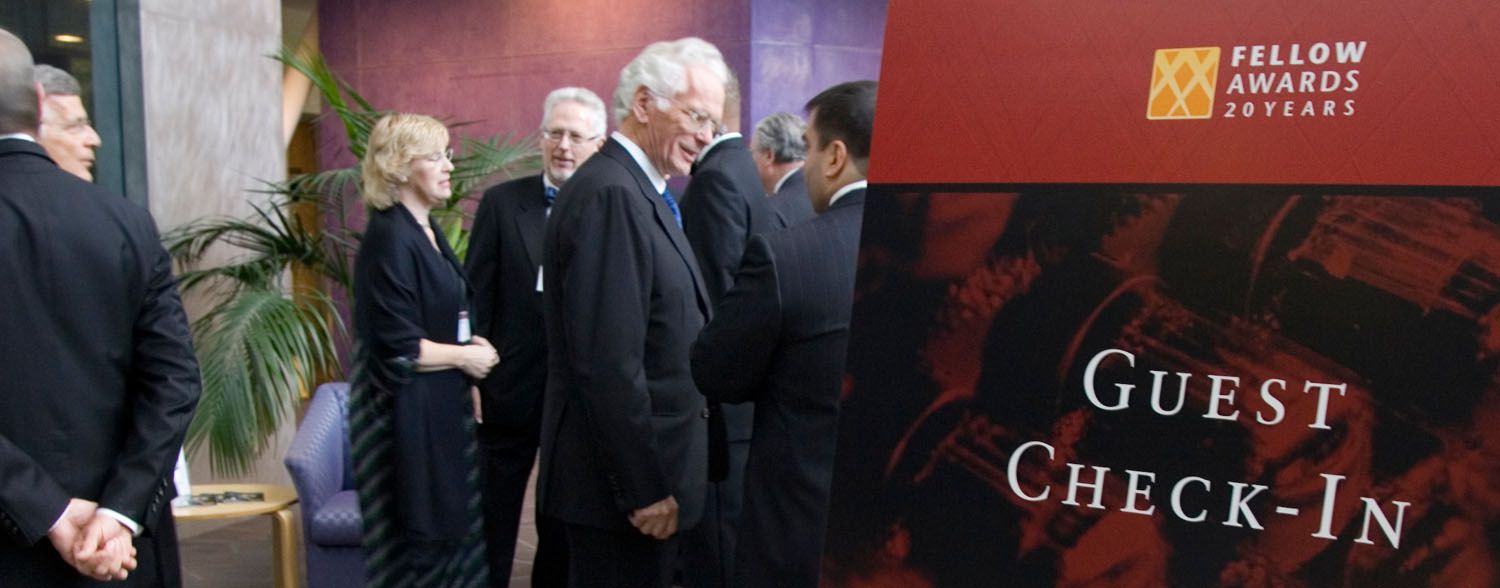
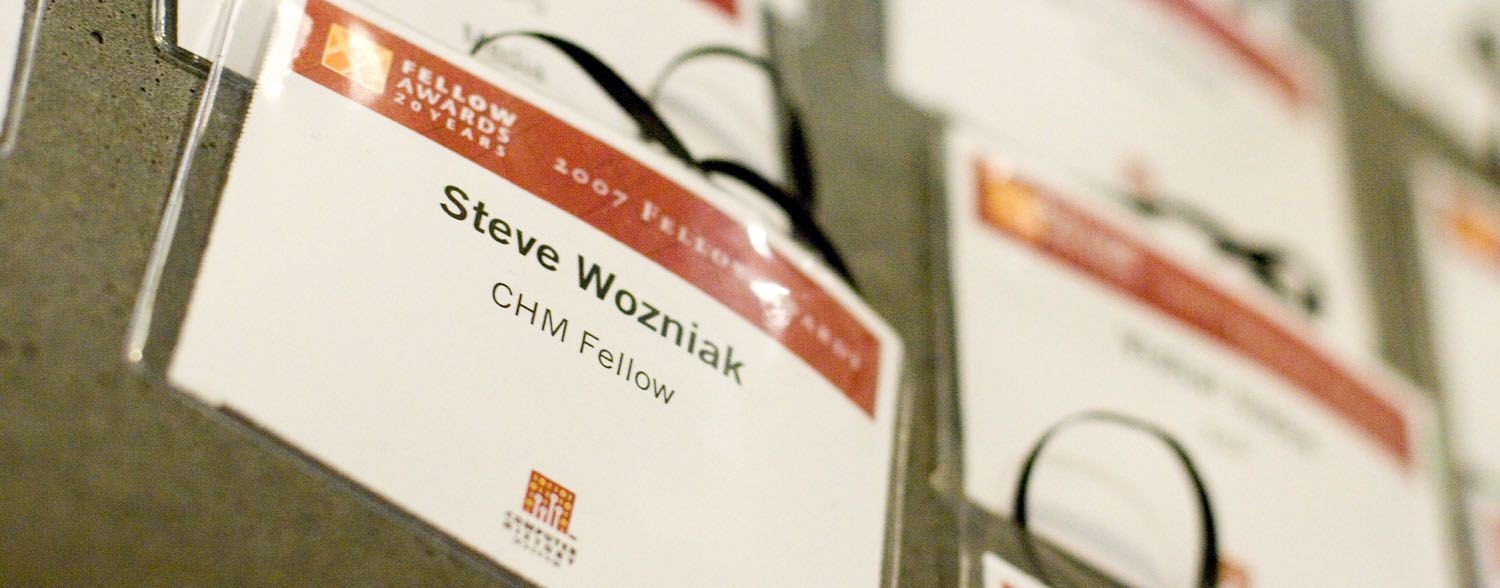
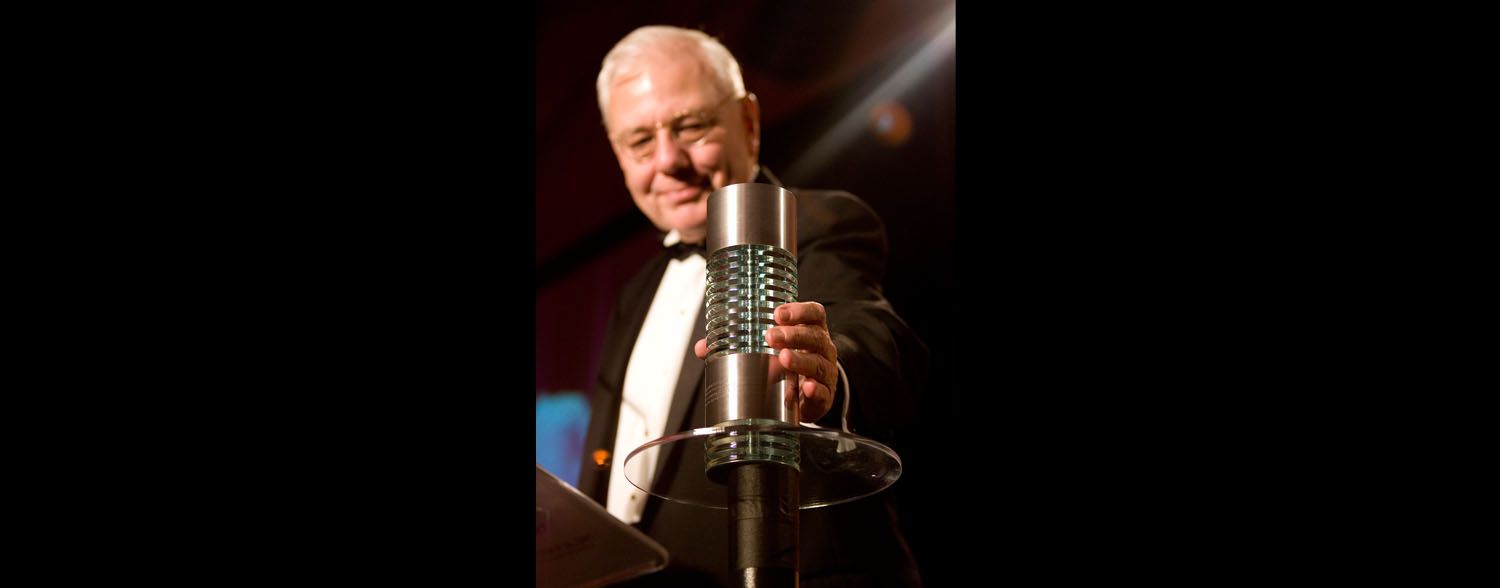
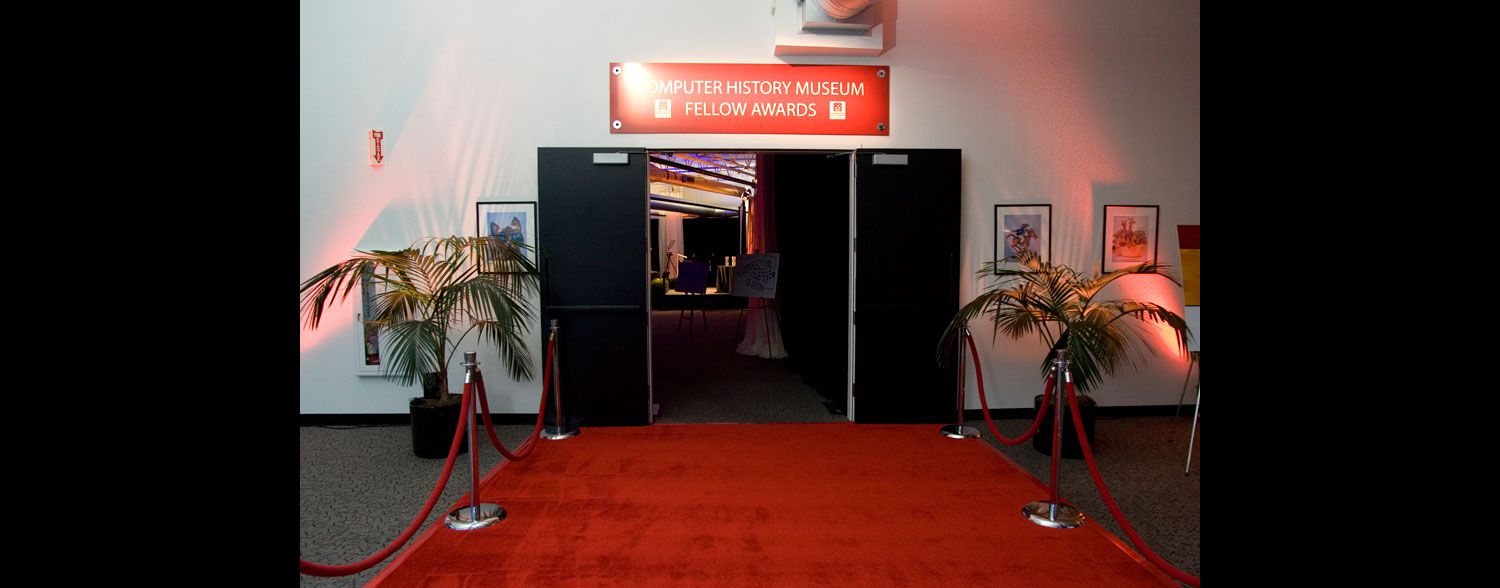
Computer History Museum awards dinner production requires a balance of formal hospitality, technical precision, and respect for a venue that carries deep meaning for the technology community. At the Computer History Museum in Mountain View, the Fellows Awards Dinner called for more than a standard gala setup; it needed an environment where pioneering work in computing could be recognized with warmth, clarity, and elegance. Hunter Events approached the evening as a complete guest experience, connecting arrival flow, dinner service, room atmosphere, presentation pacing, and stage visibility into one cohesive plan. The museum's scale and architecture created an impressive canvas, while the nature of the awards program called for thoughtful restraint, polished detail, and production choices that supported the honorees rather than distracting from them. Every element had to help the audience feel the importance of the occasion, from the first impression of the transformed room to the final moment of recognition on stage.
The strongest awards dinners feel seamless because planning decisions are made long before guests arrive. For this formal sit down dinner and ceremony, the production process considered how the room would function from multiple points of view: the honorees, museum leadership, invited guests, catering team, technical crew, and presenters. Seating, sightlines, table spacing, service paths, lighting levels, microphone positions, and stage cues all had to work together so the evening could move naturally from reception energy into dinner, remarks, and recognition. In a museum setting, the environment already carries visual and cultural weight, so design choices must complement the architecture and mission without overwhelming them. Hunter Events focused on shaping a refined awards setting where the content of the program remained central, the guest experience felt gracious, and the operational details supported a smooth evening from load-in through final cue.
Event planning shaped around recognition, timing, and venue character
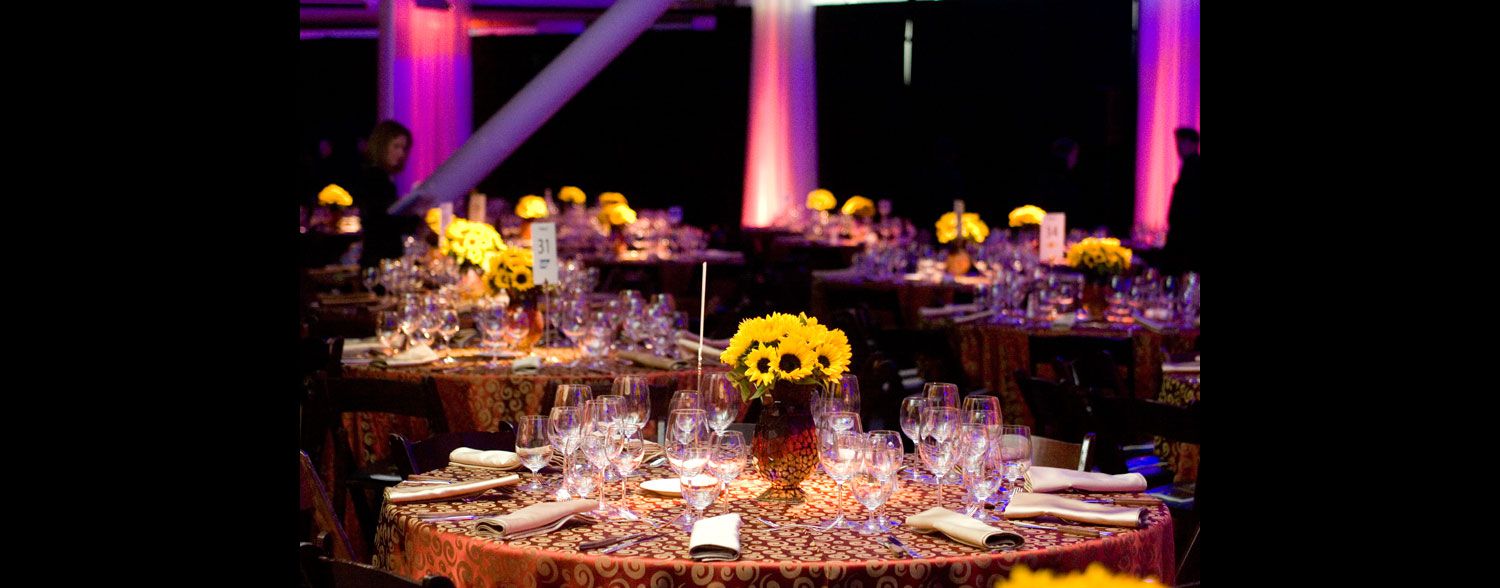
A distinguished technology awards gala depends on timing as much as design. Dinner service, speaker transitions, honoree introductions, video or media elements, lighting changes, and audience attention must be coordinated so the program feels intentional rather than improvised. Hunter Events' role in the Fellows Awards Dinner brought together planning, show flow, AV coordination, and room design so the museum could host a high-profile evening with confidence. The setting in Silicon Valley added another layer of relevance: guests were gathering in a venue dedicated to preserving the story of computing, while honoring people whose work helped shape that same story. That connection between place and purpose informed the tone of the production. Formal linens, centerpieces, table settings, lighting, and stage direction were not isolated details; they were part of a larger visual and operational system built around recognition, storytelling, and a respectful celebration of achievement.
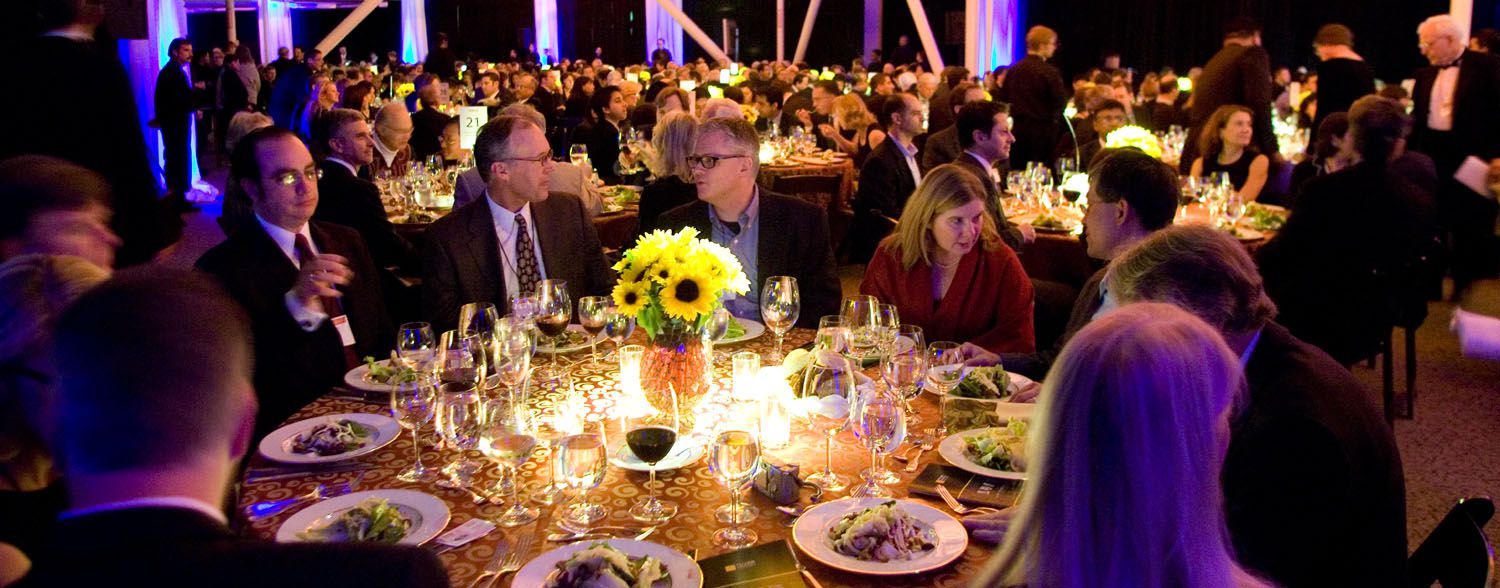
Food and beverage coordination also played a central role because awards dinners depend on service that feels attentive without interrupting the ceremony. Working with Taste Catering San Francisco, Hunter Events helped align the culinary program with the expectations of a prestigious museum event and a sophisticated guest list. Catering for a formal awards dinner requires more than menu selection; it requires coordination between kitchen timing, floor service, table layout, speeches, lighting cues, and program pacing. When the meal and the stage program are planned together, guests remain comfortable, speakers are supported, and the evening maintains momentum. This type of coordination is especially important in a venue like the Computer History Museum, where the room must be transformed for dining while still functioning as a polished presentation space. The result is an experience that feels elevated because the hospitality and production teams are moving toward the same vision.
Coordinated partners for a polished awards experience
High-profile awards events are remembered for the feeling they create in the room: clear sound, flattering light, comfortable seating, elegant tables, confident transitions, and an atmosphere that makes every honoree moment feel significant. Hunter Events connected those pieces for the Computer History Museum Fellows Awards Dinner through comprehensive planning, design oversight, vendor coordination, and technical production. The work supported the museum's mission, the prestige of the Fellows program, and the expectations of guests who came to honor major contributions to computing and the digital age. For corporate, nonprofit, and institutional clients planning an awards dinner, gala, or formal recognition event in the Bay Area, the same principles apply: define the story, design the environment around that story, coordinate every partner, and protect the guest experience at each stage of the evening. With careful planning and an experienced production team, an empty room can become a refined setting for meaningful recognition.
The Computer History Museum:
Food and beverage coordination:
For this event, Hunter Events partnered with one of San Francisco’s premier catering companies, Taste Catering San Francisco to ensure exceptional food, beverage, and service. From custom menus to flawless execution, every detail was thoughtfully curated to reflect the client’s vision and elevate the guest experience. The result was a seamless culinary program that matched the innovation and sophistication of the venue.
AV, Room Design and Stage Production:
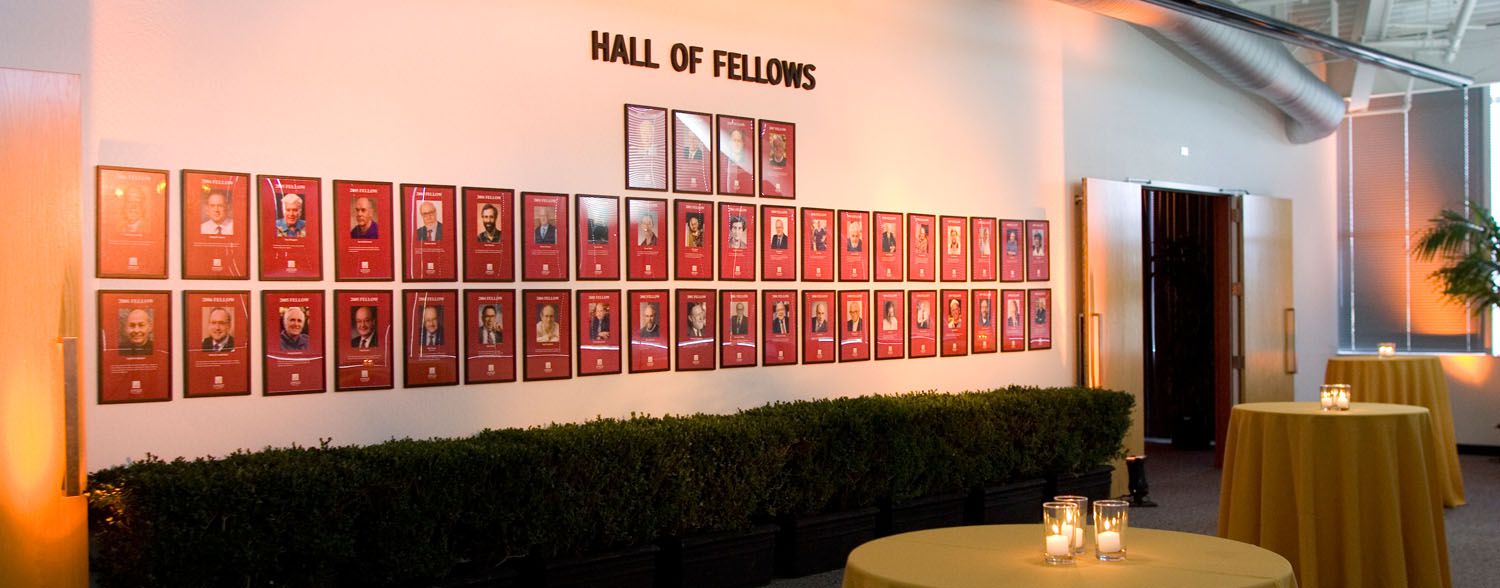
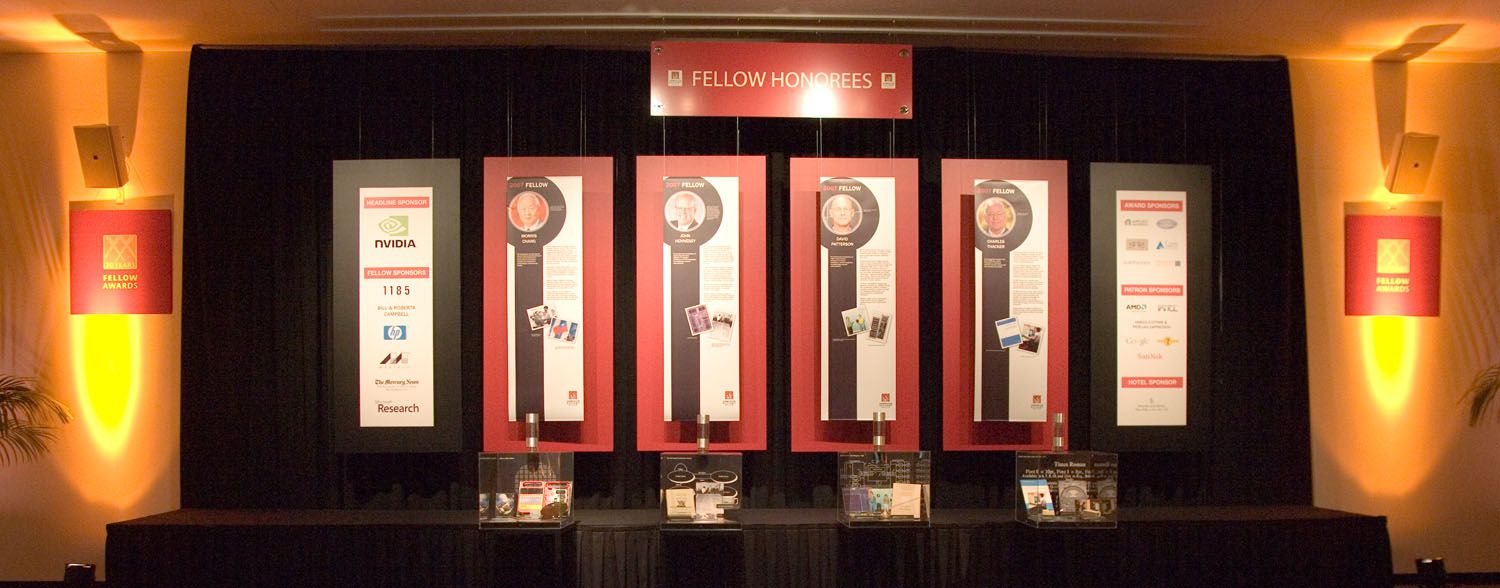
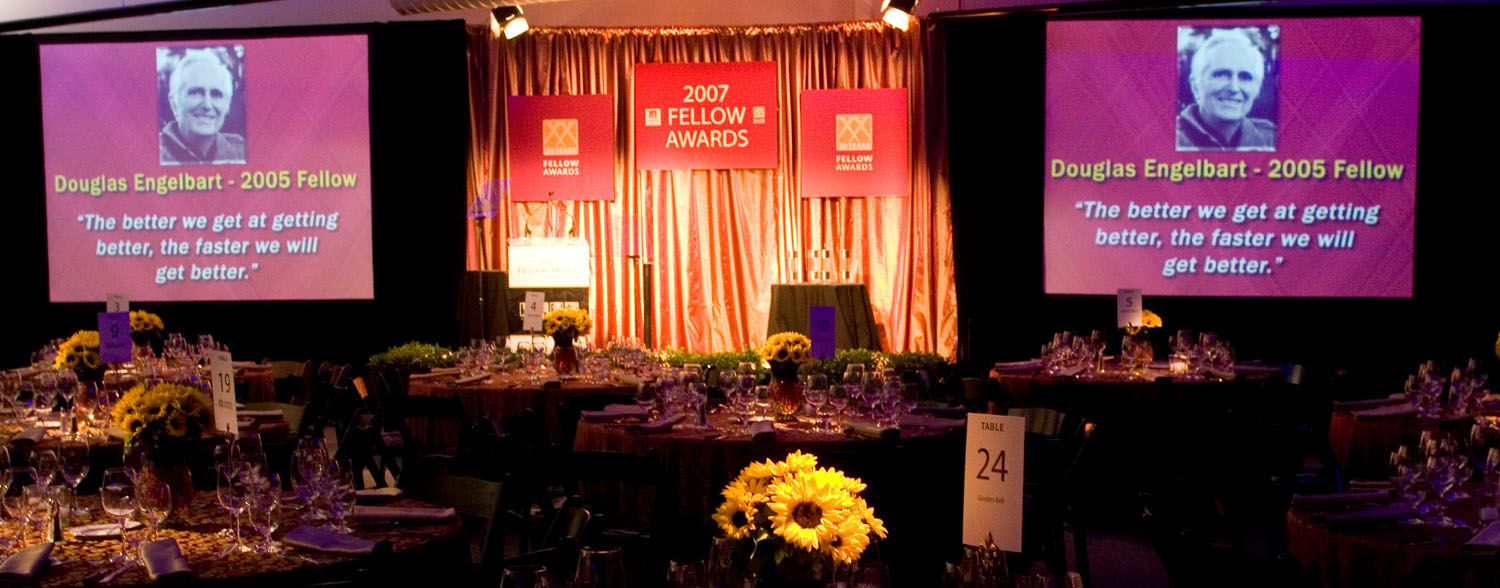
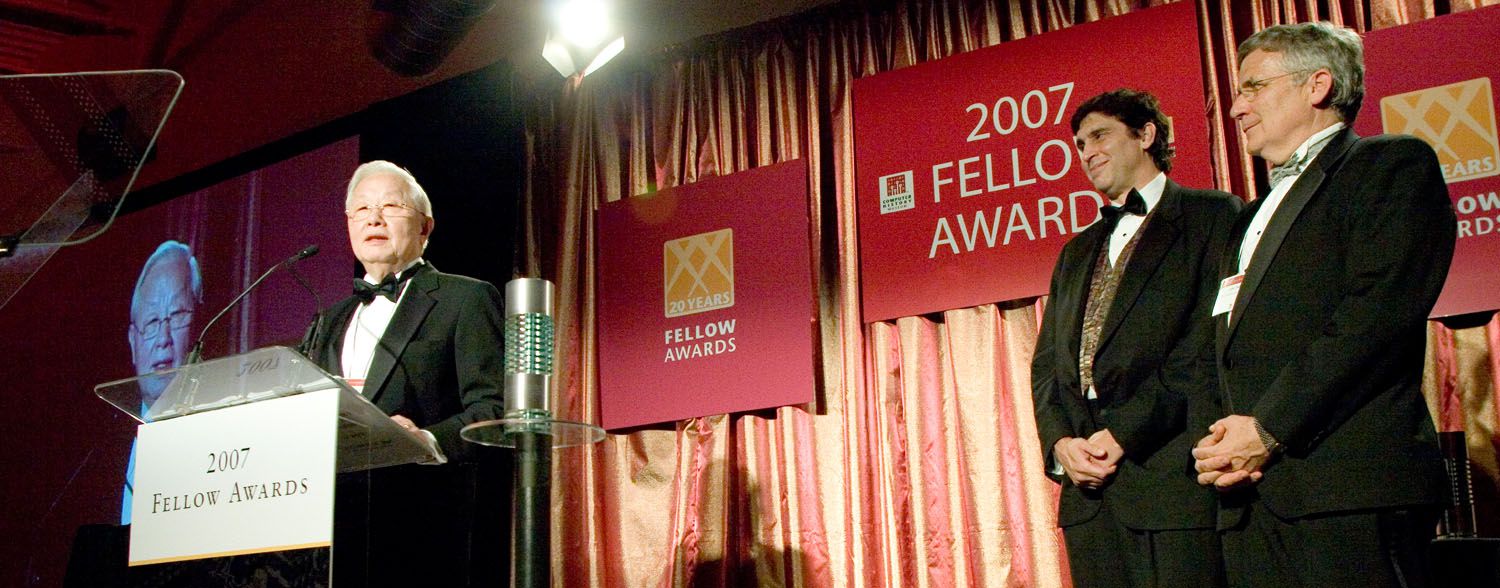
Hunter Events provided end-to-end production for the awards show, managing everything from stage direction and show flow to lighting and technical execution. Beyond running the show itself, our team designed the entire look and feel of the room—curating linens, centerpieces, and table settings with precision. As with any event Hunter Events produces, we carefully planned the room layout, décor, and lighting to create an immersive and cohesive environment that elevated the guest experience and aligned seamlessly with the event’s vision.
Computer History Museum Awards Dinner FAQs
What planning details are most important for a museum awards dinner?
The most important planning details for a museum awards dinner are guest flow, table layout, sightlines, lighting, sound, service timing, and stage cues. These elements help the room function smoothly while keeping attention on the honorees and the purpose of the program.
How does event production support an awards ceremony during dinner service?
Event production supports an awards ceremony during dinner service by coordinating catering timing with speeches, AV cues, lighting changes, and presenter transitions. This prevents service interruptions and keeps the program moving at a polished, professional pace.
Why is room design important for a formal technology awards gala?
Room design is important for a formal technology awards gala because it sets the tone for recognition and helps guests connect the venue, audience, and program. Tables, linens, centerpieces, lighting, and stage placement work together to create an environment that feels intentional and prestigious.
Let’s plan your event together! Contact Robert Hunter at Robert@HunterEvents.net.
Clients